Emerging Opportunities in the Middle East
Navigating Vision 2030, GCC Economic Transformations, and High-Growth Corridors
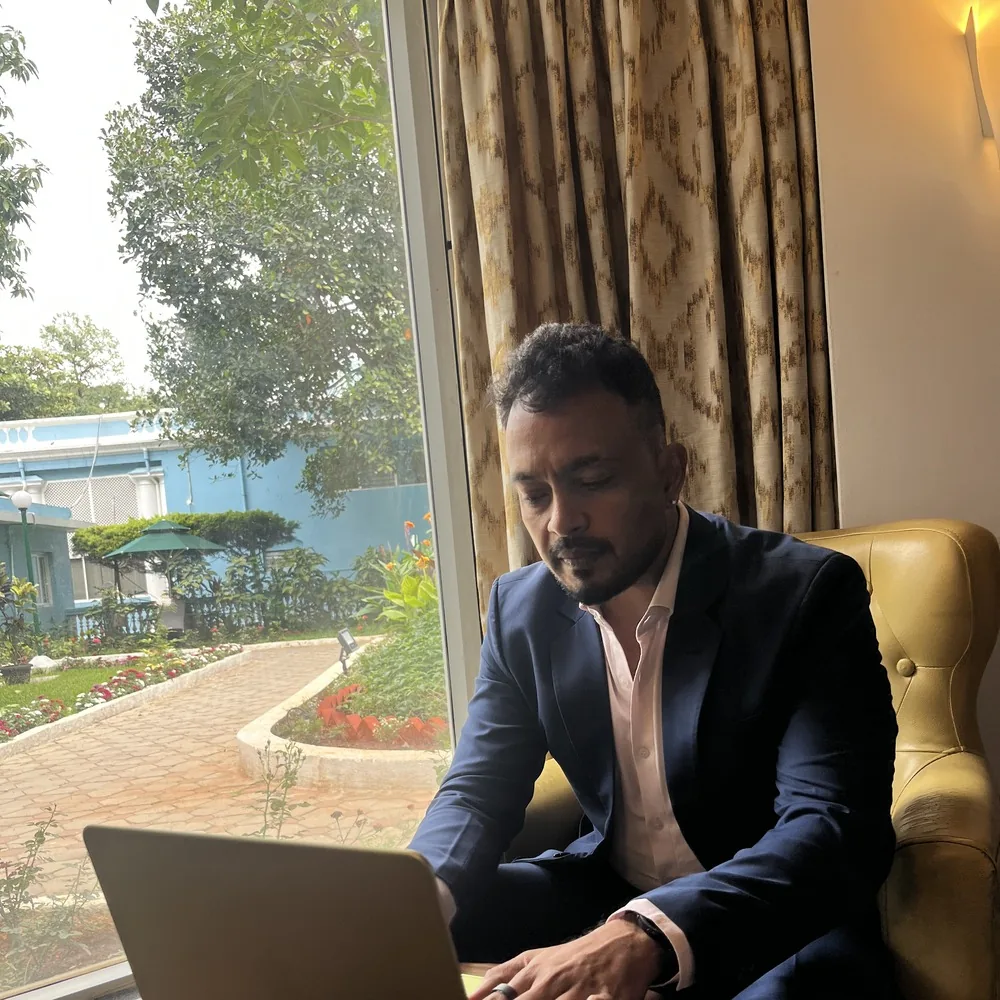
Ranjith Punja MB
Founder & Managing Director
Executive Key Takeaways
- •Saudi Arabia's RHQ Program and UAE's D33 Agenda are reshaping regional commercial dynamics.
- •Non-oil sectors including fintech, renewable energy, logistics, and digital infrastructure are experiencing double-digit annual growth.
- •Establishing local partnerships and navigating regulatory compliance early is key to long-term success.
Exploring key sectors, investment opportunities, and business trends shaping the future of the Middle East.
The GCC Economic Shift: Beyond Oil Infrastructure
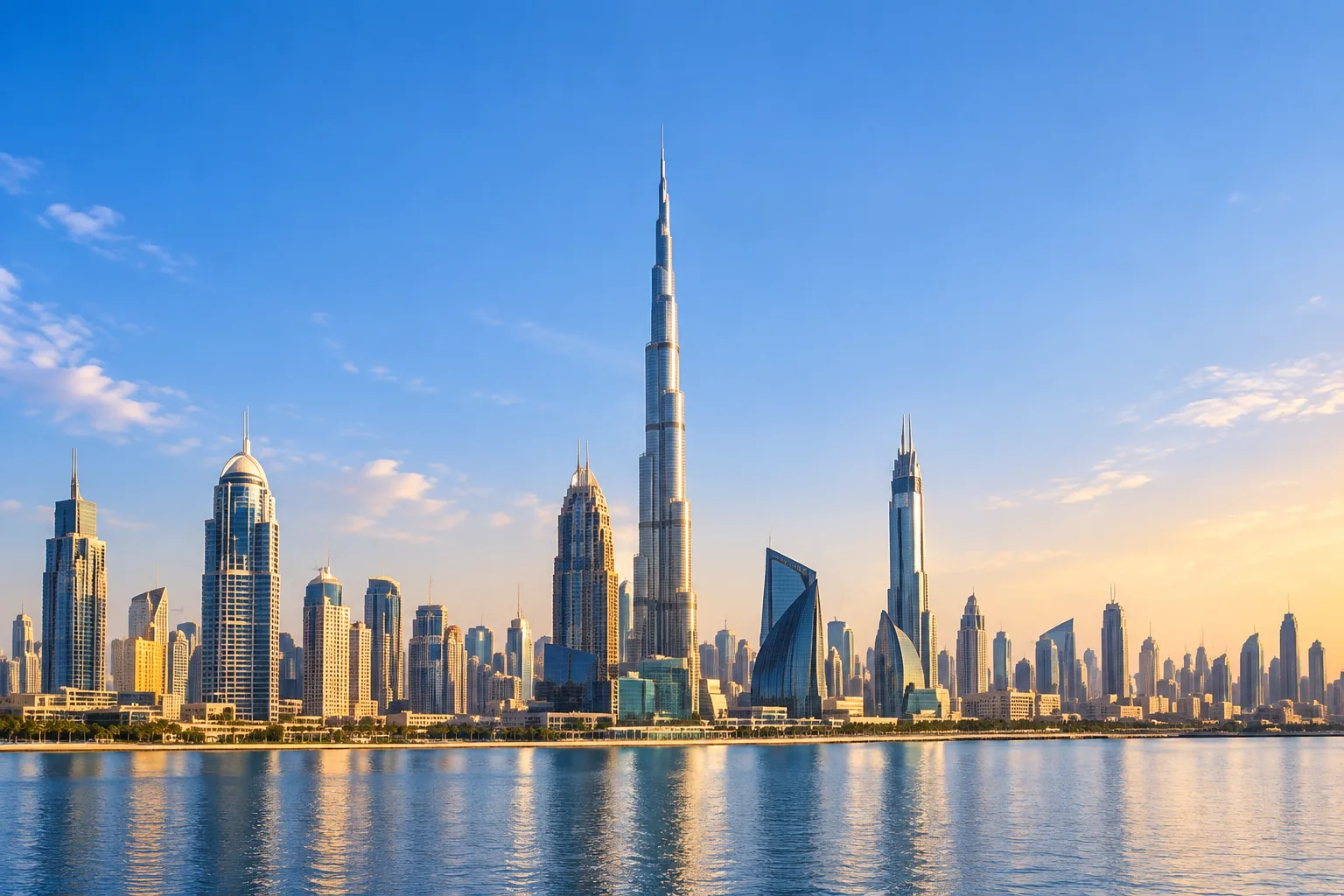
The GCC region is undergoing an unprecedented economic metamorphosis driven by national visions such as Saudi Arabia's Vision 2030 and UAE's Agenda D33. Countries are actively diversifying their revenue streams away from traditional hydrocarbon dependencies, catalyzing massive investments into infrastructure, digital technology, healthcare, and renewable energy.
For international businesses, this shift represents a golden window of opportunity. Commercial entry into the GCC is no longer just about exporting goods; it requires establishing a sustained regional footprint, engaging local talent, and integrating with sovereign wealth initiatives.
"By 2030, non-oil economic contributions across GCC nations are projected to exceed 65% of total GDP, opening multi-billion dollar markets for agile global enterprises."
Key High-Growth Sectors for Global Investors
Three primary sectors stand out for cross-border expansion into the Gulf region:
1. Digital Infrastructure & Fintech: Rapid adoption of open banking, cloud computing, and AI-driven logistics platforms across Riyadh and Dubai.
2. Renewable Energy & Sustainability: Mega-projects like NEOM, Red Sea Global, and Masdar City creating unprecedented demand for specialized technology providers and green engineering firm capabilities.
3. Healthcare & Lifesciences: Government incentives for local manufacturing of pharmaceuticals and advanced medical device setups.
Regulatory Frameworks & Regional Headquarters (RHQ)
Under Saudi Arabia's Regional Headquarters (RHQ) initiative, multinational companies seeking government contracts are incentivized to move key decision-making hubs to Riyadh. Simultaneously, free zones across the UAE offer 100% foreign ownership, zero corporate tax on qualifying income, and seamless profit repatriation.
Successfully capitalizing on these frameworks requires a nuanced understanding of local labor laws (such as Saudization and Emiratization), corporate structuring, and strategic alliance building.
Strategic Outlook & Conclusion
The Middle East is no longer merely a capital export region; it has become a central node for global commerce, innovation, and strategic expansion. Organizations that position themselves now with strong local advisory will lead the market over the next decade.
Written by Ranjith Punja MB
Founder & Managing Director
Advising multinationals, institutional investors, and growth enterprises across international corridors.
Need Customized Research or Market Entry Guidance?
Connect directly with our senior leadership team to evaluate opportunities across India, the GCC, Africa, and East Asia.
REQUEST CONSULTATION